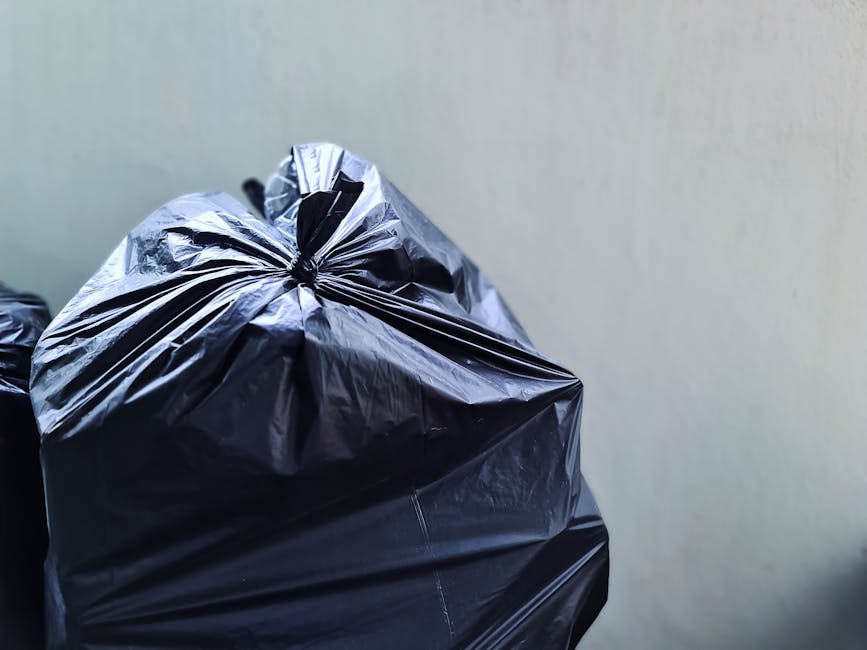
Southwark Council rubbish disposal rules for Dulwich homes: a practical local guide
If you live in Dulwich, rubbish disposal sounds simple until the bins are full, the item is awkward, or the timing is just wrong. Southwark Council rubbish disposal rules for Dulwich homes can feel a bit fussy at first, but once you understand the basics, it becomes much easier to stay compliant, keep your street tidy, and avoid annoying fines or missed collections. This guide breaks it all down in plain English, with practical steps you can actually use on a normal Tuesday morning when the bags are piling up by the back gate.
Whether you are clearing a flat, dealing with garden cuttings after a wet weekend, or trying to get rid of a bulky sofa that has somehow become part of the decor, the key is knowing what goes where, when it can go out, and what needs a different disposal route. Let's get into the useful bit.
Why Southwark Council rubbish disposal rules for Dulwich homes Matters
For Dulwich households, rubbish rules are not just admin. They shape how clean the street looks, how easy it is for collections to happen, and how safely unwanted items are handled. Southwark's rules help separate everyday waste from recycling, food waste, bulky items, garden waste, and anything that needs special treatment. That distinction matters because the wrong item in the wrong place can lead to a missed pickup, extra hassle, or a fly-tipping problem outside your own front door.
In neighbourhoods like Dulwich Village, East Dulwich, West Dulwich and the surrounding residential streets, there is also a very real space issue. Front gardens are small, pavements are used by families and dog walkers, and some homes have narrow side access or shared bins. When rubbish is left out carelessly, it can quickly look untidy. Worse, wet bags can split, foxes can get involved, and suddenly you have a mess that nobody wanted.
Truth be told, most people only think about rubbish rules when something awkward turns up: a broken wardrobe, a bag of renovation waste, a pile of old cardboard after a delivery spree, or a dead lawn mower that refuses to be ignored. That is exactly when a little local knowledge saves time.
Practical takeaway: If you sort waste properly before collection day, you reduce the risk of missed bins, keep your property looking cared for, and avoid treating every disposal job like a last-minute puzzle.
This matters even more if you are trying to keep on top of a house clearance, flat turnover, or post-renovation tidy-up. A good system protects both your home and the neighbourhood. Small thing, big difference.
How Southwark Council rubbish disposal rules for Dulwich homes Works
At a basic level, the system is built around separating waste into clear streams. Most Dulwich homes deal with general rubbish, recycling, food waste, and sometimes garden waste or bulky items. The exact collection setup can vary depending on the property type, access, and local arrangements, so it is always sensible to check what applies to your address rather than assuming every street is the same. Southwark manages collections in a way that expects residents to present the right waste, in the right container, at the right time.
That sounds straightforward, but in practice there are a few moving parts:
- General waste: non-recyclable household rubbish that cannot go into recycling streams.
- Recycling: clean, dry recyclable materials separated from everyday waste.
- Food waste: scraps and leftovers that need their own container if provided.
- Bulky waste: larger household items that usually need separate collection or alternative disposal.
- Garden waste: branches, grass cuttings, leaves and similar materials, depending on local collection arrangements.
To be fair, the hardest part is often not the collection itself but the sorting beforehand. A broken chair, for example, may look like simple rubbish. But if it includes treated wood, fabric, metal fittings, or sharp edges, it may be better handled as a separate item through a clearance service rather than left out with the normal bin. That is where a little judgement goes a long way.
For households dealing with a bigger clear-out, it can help to think in zones: keep reusable items separate, set aside recyclables, bag the true waste last, and identify anything that should not be put in regular bins at all. If the job starts to snowball, our home clearance and house clearance services are designed for exactly those bigger, more awkward situations.
And yes, it is a bit dull. But so is dragging the same bag out three times because it was sorted badly the first time.
Key Benefits and Practical Advantages
Following the rules is not just about staying on the right side of the council. There are real everyday benefits, especially for Dulwich homes where space, access and timing can be a bit tight.
- Cleaner kerb appeal: Neat waste presentation helps the street feel cared for.
- Fewer collection problems: Correct sorting reduces the chance of bins being left behind.
- Less odour and mess: Waste that is managed properly is less likely to attract pests or leak.
- Better recycling outcomes: Clean sorting improves the chance that recyclable materials are processed properly.
- Less stress on busy weeks: A good routine keeps household waste from becoming a weekend headache.
There is also a subtle but important benefit: you start to notice what kind of waste your household generates. That often leads to better buying habits. More reusable containers, less single-use packaging, fewer oversized impulse purchases that end up needing disposal a few months later. It happens quietly, but it helps.
If your home regularly generates heavier or mixed waste, especially after decorating or moving, you may find it easier to use a professional service rather than trying to squeeze everything into council collection rules. For example, our waste removal service can be useful where the job is too much for normal household bins but not quite a full building project.
Who This Is For and When It Makes Sense
These rules matter to anyone living in a Southwark household in Dulwich, but some people feel the impact more than others. If you recognise yourself in any of the situations below, this guide is especially relevant.
- Homeowners dealing with day-to-day waste, spring clears, or garden maintenance.
- Tenants trying to leave a property tidy between moves or avoid deposit issues.
- Families producing higher volumes of packaging, broken toys, and mixed household waste.
- Older residents who need a simple, predictable routine for getting rubbish out safely.
- People renovating a room and suddenly discovering that plasterboard dust, timber offcuts and broken fittings do not fit neatly into standard bins.
- Anyone managing a bereavement or estate clear-out, where rubbish disposal becomes part of a much bigger emotional task.
It also makes sense for anyone who has ever stood in the kitchen looking at three different waste piles and thought, "Right, what now?" That is normal. Honestly, most households are not set up like a recycling centre, so a little guidance helps.
If your situation involves furniture, loft contents, or a garage full of mixed items, the dedicated services on the same site can be useful references. Have a look at furniture disposal, garage clearance, or loft clearance if the disposal job is bigger than a normal bin day.
Step-by-Step Guidance
Here is a practical way to handle rubbish disposal in a Dulwich home without overcomplicating it.
1. Separate the waste before you bag anything
Start with categories: general waste, recycling, food waste, garden waste, and large items. If something can be reused or donated, keep it out of the disposal pile for now. That small pause saves you from throwing away things you might still need or sell.
2. Check whether the item belongs in normal household collection
Ask a simple question: is this ordinary domestic rubbish, or is it bulky, hazardous, heavy, or awkward? Paint tins, electricals, sharp materials, rubble, and oversized furniture often need a different route. Do not force them into the wrong bin just because the lid closes. Bins have feelings too. Well, not really, but they do have limits.
3. Bag and contain waste properly
Use strong bags, close them securely, and avoid overfilling. Loose waste creates mess and can be refused if it is unsafe or untidy. In wet weather, it also becomes a slimy nuisance very quickly. Nobody enjoys that smell on a warm afternoon.
4. Put collections out at the correct time
Follow the collection day and placement guidance for your property. If your street has restricted access or shared bins, make sure waste is not left where it blocks footpaths, drives or entrances. In a dense residential area, one badly placed bag can inconvenience several households.
5. Use the right route for bulky or excess items
If you have more than your normal bins can handle, consider a booked bulky waste collection or a professional clearance. This is particularly helpful after moving house, replacing furniture, or clearing a rental property. For some homes, especially flats, a dedicated flat clearance can be the least stressful route.
6. Re-check anything uncertain before disposal
If you are not sure whether an item is allowed, treat uncertainty as a signal to pause. That is far better than mixing prohibited material into general waste. When in doubt, separate it and seek a suitable disposal option. It is a small delay, not a disaster.
Expert Tips for Better Results
A few local habits make rubbish disposal noticeably easier in Dulwich homes.
- Keep a "maybe" box: Put uncertain items aside instead of guessing. It avoids accidental contamination of recycling or general waste.
- Flatten cardboard promptly: Cardboard takes up more room than people expect. Flatten it as soon as it enters the house and you will feel oddly smug.
- Store bins in a dry, accessible place: Especially in narrow side passages or communal areas, easy access helps collection day run smoothly.
- Plan around big clear-outs: Do not leave a whole loft or garage job until the night before the collection. That is how mistakes happen.
- Separate reusable furniture early: If an item is still solid but no longer wanted, it may be better handled through furniture clearance or passed on before it becomes waste.
One useful approach is to do a quick 15-minute waste sweep once a week. It sounds small, but it keeps your home from building up hidden clutter in cupboards, hallways, and behind the washing machine where strange objects go to disappear.
If you are dealing with regular household waste as well as occasional larger items, pairing routine bin use with professional support can keep everything under control. For broader, mixed loads, our waste removal page explains the sort of situations where help is most practical.
Common Mistakes to Avoid
Most rubbish disposal issues come from a few predictable mistakes. The good news? They are easy to avoid once you know them.
- Mixing recyclables with food-soiled waste: That can reduce the value of the recycling load.
- Leaving bags out too early: This can create clutter, smells, or a target for foxes and rain.
- Overfilling bins: If the lid will not close, collection may be refused.
- Putting bulky waste out like regular rubbish: Large items often need separate handling.
- Ignoring sharp edges or breakage: Broken glass, splintered wood and metal can injure people handling the waste.
- Assuming every item can go in the same collection: That assumption causes more problems than almost anything else.
A common one in older Dulwich properties is the "I'll just leave it in the front garden for now" approach. Fine for a few minutes, risky for a few days. It tends to snowball. Before long there is a damp mattress, two broken shelves and some packaging that nobody remembers ordering.
If your clutter has already passed the point where normal bin rules feel manageable, it may be simpler to arrange a proper clearance. Services such as house clearance or home clearance can remove the pressure and keep the job moving in one go.
Tools, Resources and Recommendations
You do not need a complicated kit to manage rubbish disposal well, but a few simple tools help a lot.
- Strong bin bags: Useful for general waste and mixed domestic rubbish.
- Stackable boxes or crates: Helpful for sorting recyclables before transfer.
- Gloves: A sensible choice when handling broken items, dusty loft waste, or garden cuttings.
- Permanent marker: Label bags or boxes if different household members are helping sort.
- Storage tubs: Good for keeping batteries, small electricals, or donation items separate until you can dispose of them properly.
For bigger one-off jobs, think in terms of disposal route rather than just "getting rid of stuff." That small mental shift helps you choose the right service. For example:
- Garden clearance for branches, cuttings and outdoor waste.
- Builders waste clearance for renovation debris and trade-style waste from home improvement work.
- Furniture clearance when large household items need removal without the stress of lifting and transport.
- Loft clearance for dusty, awkward attic contents that have been stored for years.
There are also trust and service pages that can help you evaluate a provider before booking. If you want to understand how a company handles standards, payment safety or sustainability, the most relevant pages include recycling and sustainability, insurance and safety, and pricing and quotes. Those pages do not replace local disposal rules, of course, but they help you make a more informed decision.
Law, Compliance, Standards, or Best Practice
When rubbish disposal touches safety, nuisance, or waste transfer, it is wise to think in terms of legal duties and good practice rather than just convenience. In the UK, householders still have a responsibility to make sure waste is handled properly and not passed to someone who may dump it illegally. That does not mean you need to memorise regulations, but it does mean choosing disposal methods carefully.
A few sensible principles apply:
- Do not leave waste where it blocks access to pavements, entrances, or communal areas.
- Keep hazardous or sharp materials separate from everyday rubbish.
- Use reputable removal help for mixed, heavy or awkward loads.
- Check item suitability before disposal so you do not contaminate a collection.
- Keep records where relevant if you are disposing of larger volumes through a professional service.
For landlords, letting agents, and homeowners in Dulwich dealing with a move-out or after-tenancy clean, best practice is to remove waste promptly and leave the property empty, safe, and easy to inspect. That is especially important in flats or shared buildings where one person's rubbish can create a problem for everyone else.
If the work involves heavier items, sharp debris, or anything that could cause injury, a service with proper safety procedures is worth prioritising. You can review the relevant approach on health and safety policy and insurance and safety pages before making a booking. It is not glamorous, but it is sensible. Very sensible.
Options, Methods, or Comparison Table
Different disposal methods suit different situations. Here is a simple comparison to help you choose.
| Method | Best for | Pros | Limitations |
|---|---|---|---|
| Normal household collection | Routine domestic waste and standard recycling | Convenient and familiar | Limited to accepted items and container capacity |
| Bulky waste arrangement | Single large items or a few awkward pieces | Better for sofas, wardrobes and similar items | Not ideal for mixed clear-outs or heavy volumes |
| Professional waste removal | Mixed loads, repeat clutter, or time-sensitive jobs | Fast, flexible, less lifting for you | Usually more expensive than using household bins alone |
| Targeted clearance service | Specific areas like lofts, garages, gardens or offices | Efficient for defined spaces | Best when the job is within that category |
If you are unsure which route fits your situation, a quick rule of thumb works well: use the council route for normal everyday waste, and use a clearance or removal service when the items are bulky, mixed, heavy, or time-critical. That is not a strict legal rule, just a practical one. It keeps life simpler.
Case Study or Real-World Example
A fairly typical Dulwich scenario goes like this. A family returns from a house move and finds three bedrooms' worth of broken-down boxes, an old dining chair, two bags of packaging, and a loft full of things they meant to sort "next weekend." Sound familiar? It often does.
At first, the instinct is to try to stretch everything across normal rubbish and recycling collections. But once the bags are sorted, it becomes obvious that some items are too bulky, some are mixed material, and some are just plain awkward. The family separates the cardboard for flattening, keeps reusable items aside, and books a clearance for the furniture and loft contents. The result is simple: the bins stay manageable, the pavement stays clear, and the house feels usable again by the evening.
That kind of outcome is common when the disposal plan matches the actual waste rather than the wishful version of it. We have all done the "it might fit" calculation while balancing a bin lid with one hand. Usually it does not fit. That is life.
For situations like that, a home-based service can be more effective than trying to battle through every item alone. If the issue is bigger than household bins but not quite a full renovation, a targeted home clearance is often the most straightforward answer.
Practical Checklist
Use this simple checklist before putting rubbish out or booking help.
- Have I separated general waste, recycling, food waste and bulky items?
- Is anything sharp, heavy, wet or potentially hazardous set apart?
- Have I flattened cardboard and contained loose material?
- Do I know whether the item belongs in a normal household collection?
- Are the bags securely tied and not overfilled?
- Will the waste be placed out at the correct time and in the correct location?
- Do I need a bulk collection or professional removal instead?
- Have I checked whether reusable furniture, appliances or household goods could be kept out of the waste stream?
- If the job is bigger, have I looked at the right service type such as furniture, garage, loft or garden clearance?
- Is the disposal method sensible for both the property and the people living there?
If you can tick most of these off, you are in a much better place. If not, pause and sort properly. The small delay now is almost always worth it later.
Get a free quote today and see how much you can save.
Conclusion
Southwark Council rubbish disposal rules for Dulwich homes are really about common sense, safety, and keeping waste manageable in a busy residential area. Once you know the basic categories and the right route for awkward items, the whole process becomes far less stressful. That is especially true in Dulwich, where homes vary from compact flats to larger family properties, and disposal needs can change from week to week.
The main thing is not to guess when an item is bulky, mixed, or potentially unsuitable for normal collection. Separate it, think it through, and choose the right disposal path. A bit of care now saves hassle, keeps the street cleaner, and makes home life feel calmer. And let's face it, that calm matters.
If you are facing a bigger clear-out or want a safer, quicker way to handle bulky waste, there are practical options available that can take the pressure off without making the job feel like a weekend punishment.
Frequently Asked Questions
What are the main rubbish disposal rules Dulwich homeowners need to follow?
In simple terms, you need to sort waste into the correct type, use the right bin or container, avoid overfilling, and put collections out properly. Bulky, sharp, or mixed items often need a separate disposal route.
Can I put furniture out with normal rubbish in Southwark?
Usually not. Furniture is generally too large for standard household bins and may need a bulky waste arrangement or a clearance service, especially if it is damaged, heavy, or awkward to move.
What should I do with cardboard after a delivery?
Flatten it first, keep it dry if possible, and place it in the appropriate recycling container or collection system. Wet cardboard is much less useful and can create problems in collection.
Are garden cuttings treated like general waste?
Not usually. Garden waste often has its own disposal route or may need to be separated for a clearance job. Branches, soil and large cuttings can be especially awkward if mixed with normal rubbish.
What happens if I put the wrong item in the bin?
The collection may be missed, the bin may be left behind, or the contents may contaminate recycling. If the item is unsafe or unsuitable, it is better to remove it and dispose of it correctly.
How do I get rid of waste after a house move in Dulwich?
Start by separating recyclable packaging, then identify reusable items and bulky waste. For larger loads, a house clearance or waste removal service is often the easiest route.
Do flats have different rubbish disposal issues from houses?
Yes, often they do. Flats can involve shared bins, tighter access, and more limited storage, so timing and placement matter more. A flat clearance can be useful when the volume is bigger than the building can comfortably handle.
Can I leave rubbish on the pavement before collection day?
It is better not to. Waste left out too early can block access, attract pests, or create a mess. Follow the collection timing and placement guidance for your property.
When should I use a professional clearance service instead of council bins?
Use professional help when the load is bulky, mixed, heavy, time-sensitive, or simply too much for household collection. That includes loft contents, garage clutter, old furniture, and post-renovation waste.
Is it worth checking safety and insurance before booking waste removal?
Yes. For heavier or riskier jobs, safety and insurance are part of basic due diligence. It helps protect your property, the people doing the work, and your peace of mind.
What is the best way to avoid rubbish problems in a small Dulwich home?
Sort waste early, flatten packaging, keep a small "uncertain items" box, and do not let clutter build up in hallways or under stairs. Small habits make a big difference in compact homes.
Can furniture that is still usable be disposed of as waste?
It can be, but that is not always the best option. If it is still in decent condition, you may want to keep it separate from general waste and decide whether clearance, reuse, or disposal makes more sense.
For further practical information about service standards and customer-facing details, you can also review the site's about us, recycling and sustainability, and pricing and quotes pages. Sometimes the little details are what make a service feel genuinely helpful.
And if you are dealing with a pile that has become slightly ridiculous, that happens more often than people admit. Start with one bag, one box, one decision at a time. It always gets easier once the first bit is out of the way.