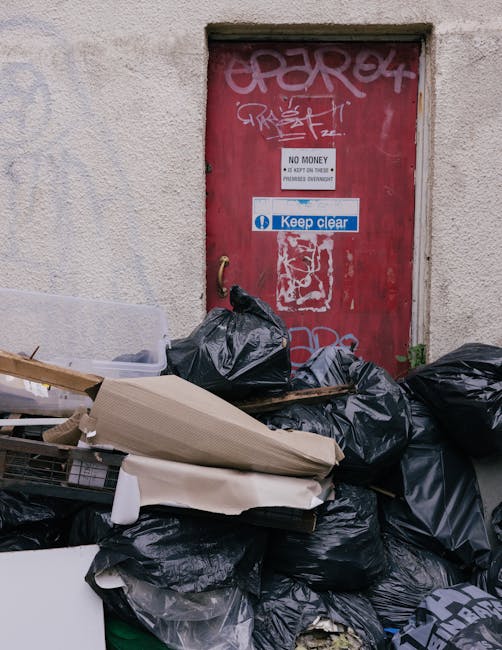
If you are dealing with unwanted junk, renovation debris, garden waste, or an end-of-tenancy clear-out, rubbish clearance near West Dulwich station can save a lot of time and stress. The area has the usual London mix of tight streets, busy travel times, and properties where bulky waste is awkward to move. That means planning matters. A bit of local know-how goes a long way.
This guide explains how clearance works, what to expect, how to choose the right service, and where people often trip up. It also covers practical points like access, compliance, and the small decisions that make the whole job smoother. Truth be told, rubbish clearance looks simple until you are standing by a hallway full of old furniture and wondering where on earth it all fits.
Whether you are clearing a flat, a shop unit, a shed, or just a growing pile of bags that has overstayed its welcome, this article will help you make a sensible choice.
Table of Contents
- Why rubbish clearance near West Dulwich station matters
- How rubbish clearance near West Dulwich station works
- Key benefits and practical advantages
- Who this is for and when it makes sense
- Step-by-step guidance
- Expert tips for better results
- Common mistakes to avoid
- Tools, resources and recommendations
- Law, compliance, standards, or best practice
- Options, methods, or comparison table
- Case study or real-world example
- Practical checklist
- Conclusion
- Frequently asked questions
Why rubbish clearance near West Dulwich station matters
Local rubbish clearance is not just about getting rid of stuff. It affects safety, access, cleanliness, neighbour relations, and sometimes even your moving date. Around West Dulwich station, the practical side matters because many clearances happen in places where parking can be limited, access may be narrow, and people are trying to work around commuting, school runs, or delivery windows.
There is also the simple fact that waste left too long becomes a nuisance. Bags split, boxes get damp, and bulky items begin to feel twice as heavy as they were last week. If you have ever looked at a stack of flat-pack boxes, a broken wardrobe, and two bags of odd bits and thought, "I'll sort that tomorrow," you already know how quickly clutter turns into a job that needs proper planning.
A well-run clearance is useful for:
- end-of-tenancy clean-outs
- post-renovation debris removal
- garden waste removal
- garage, loft, and shed decluttering
- office or retail strip-outs
- single bulky item removal
It also reduces the risk of fly-tipping and accidental damage. If a provider is handling waste professionally, you are much less likely to end up with piles left on the pavement or a last-minute scramble because the van was not large enough.
Practical takeaway: in a busy local area, good rubbish clearance is less about "taking stuff away" and more about removing it neatly, legally, and with minimal disruption.
If you are also comparing related local services, it can help to read more about house clearance across London, garden clearance options, and office clearance for workspaces. Those pages can help you match the service to the mess, which sounds obvious, but often gets overlooked.
How rubbish clearance near West Dulwich station works
Most rubbish clearance jobs follow a straightforward pattern, although the details vary depending on the property, the amount of waste, and how quickly it needs to be done. In practice, the process usually starts with an estimate based on volume, waste type, access, and labour involved.
Here is the typical flow:
- Initial enquiry - You describe what needs removing, where it is, and how much there is. Photos help a lot. In our experience, a couple of clear pictures from the doorway or hallway can save a surprising amount of back-and-forth.
- Quote or guide price - A provider may quote from photos, then confirm on arrival if access or volume changes the job.
- Arrival and loading - The team arrives with the right vehicle and equipment, then removes items from the property, garden, or storage space.
- Sorting and segregation - Reusable, recyclable, and general waste may be separated where possible.
- Transport and disposal - Waste is taken to an appropriate transfer or disposal facility.
- Completion and tidy-up - The area is left clear and, ideally, swept or tidied where practical.
That sounds neat on paper. Real life can be a little less tidy. A sofa may need to be dismantled. A narrow staircase may slow things down. A basement flat might mean extra carrying. And if parking is tricky near the station, the team may need to plan the load-in carefully to avoid wasting time or causing hassle.
For people who want more details on service structure, the page on same-day rubbish removal is useful, especially if you are dealing with a deadline. If you are unsure what can go in a mixed load, check bulky waste collection guidance too.
What usually affects the job time
- the amount of waste
- how many floors the items need to be carried down
- the size and weight of items
- parking and road access
- whether items are already bagged or sorted
- whether dismantling is needed
A small job can be done quickly. A large clear-out can take a lot longer than people expect, especially if there are mixed materials or awkward furniture. That is normal, not a problem. Better to allow enough time than rush and make mistakes.
Key benefits and practical advantages
There are obvious benefits to using a rubbish clearance service, but the really valuable ones are often practical rather than dramatic. You get your space back. You avoid lifting heavy items yourself. You keep things moving on schedule. And you reduce the chance of turning a simple job into a weekend that disappears into dust, tape, and frustration.
1. It saves time and energy
If you have only one free afternoon, loading a van, making multiple trips, and sorting disposal locations can become a half-day project or more. A professional team compresses that work into a single visit, which is especially helpful if you are dealing with a move or deadline.
2. It helps with awkward or heavy items
Wardrobes, mattresses, broken white goods, and old desks are awkward at the best of times. If they need to go down stairs or through tight hallways, the risk of damage climbs fast. Good clearance teams bring the right lifting approach, which helps protect walls, bannisters, and door frames.
3. It can be more organised than skip hire for some jobs
Skip hire is useful in some situations, but not every property or timeline fits that model. If you do not want a skip sitting outside, or there is little space for one near the station area, man-and-van style clearance may be the cleaner choice.
4. It reduces stress during life changes
People often arrange clearance when they are already busy: moving house, handling a bereavement, preparing a rental property, or trying to reclaim a spare room. A good service removes one more thing from the mental pile. And that matters more than people admit.
5. It supports responsible disposal
Many items can be separated for recycling or reuse, depending on condition and the provider's processes. This is one reason it helps to choose a reputable service rather than just chasing the cheapest option.
If you want to understand the broader type of work that sits behind these services, waste disposal services is a helpful related page. For recurring business needs, commercial rubbish removal may be more relevant than a one-off domestic collection.
Who this is for and when it makes sense
Rubbish clearance near West Dulwich station makes sense for a wide range of people, and not just during a major move. In fact, a lot of jobs are surprisingly ordinary.
- Homeowners clearing lofts, garages, sheds, or old furniture
- Tenants who need to return a property tidy before check-out
- Landlords and letting agents dealing with leftover items between occupancies
- Tradespeople removing renovation debris after a job finishes
- Businesses clearing old stock, furniture, or packaging waste
- People managing sensitive situations where a property needs careful, respectful clearance
Sometimes it makes sense to book clearance even for a "small" job. If you have no vehicle, no lift, or no spare time, even a few items can be a hassle. On the other hand, if you only have a couple of manageable bags, a local council option or a personal tip run may be enough. The right answer depends on the volume, urgency, and access.
A useful rule of thumb: if the job involves heavy lifting, bulky items, mixed waste, or a deadline, professional clearance starts to make a lot more sense. If it is just a few light bags and you are not in a rush, you may not need the full service.
Step-by-step guidance
If you want the process to feel calm rather than chaotic, a little preparation helps. Nothing fancy. Just a few clear steps.
Step 1: Identify exactly what needs to go
Walk through the space and separate items into broad groups: keep, donate, recycle, clear. Do not worry about perfect sorting yet. Just get the scope right. People often overestimate the amount of "junk" because they are looking at it all at once.
Step 2: Take a few clear photos
Wide shots are best. Include staircases, entrances, and any tight corners. A provider can give a more realistic estimate if they can see access conditions. That is especially helpful in older buildings or upper-floor flats.
Step 3: Ask what the service includes
Check whether labour, loading, disposal, and VAT are included in the quote. Also ask whether there are extra charges for dismantling furniture, difficult access, or certain waste types. Better to ask now than have a grim little surprise later.
Step 4: Clarify timing
Decide whether you need same-day clearance, a scheduled slot, or a weekend collection. Near a station, timing can matter more than people think because parking and traffic can vary through the day. Early morning slots are often easier, though that depends on the provider.
Step 5: Prepare the space
Move small personal items out of the way, empty drawers if needed, and make sure the path is clear. If items are in a basement, loft, or attic, make the access as safe as you can. You do not need to do the heavy work yourself, but a tidy route helps everything run faster.
Step 6: Confirm what happens to the waste
Ask where the waste is taken and whether recycling is part of the process. A reputable provider should be able to explain this in plain English without sounding cagey. If they sound vague, that is worth noticing.
Step 7: Do a final check
Before the team leaves, walk the space and confirm nothing has been missed. Check cupboards, behind doors, under beds, and in the garden. It sounds obvious, but people do forget things. We all do, especially when the place is half-cleared and slightly echoey.
Expert tips for better results
Here is the part that usually saves people the most time and hassle. Small choices make a big difference.
- Sort obvious recyclables first - Cardboard, metal, and some electrical items may be easier to separate if you identify them early.
- Keep hazardous items separate - Paint, chemicals, batteries, gas canisters, and certain electronics often need special handling.
- Label anything you want to keep - If a room is being cleared quickly, a simple label or note can prevent accidental removal.
- Measure large items if access is tight - Sofas, wardrobes, and beds can get stuck in stairwells. A tape measure can save a headache.
- Be honest about the volume - Understating the pile usually backfires. Accurate photos help everyone.
- Choose timing with the local area in mind - Near West Dulwich station, think about commuting patterns, parking, and neighbours coming and going.
One more thing: if you are clearing a property after building work, give yourself a little margin. Dust gets everywhere, and bits of packaging always seem to multiply overnight. It's uncanny.
For more on planning around busy jobs, builders waste removal can be helpful. If you are comparing services for a home move, end of tenancy clearance is worth a look too.
Common mistakes to avoid
Most rubbish clearance problems are preventable. The same mistakes come up again and again, and they usually cost time rather than money. Still annoying, mind you.
Booking the wrong type of service
Not every clearance job is the same. A garden waste job, a hoarded room, and a simple sofa removal all need different handling. Choosing the wrong service can lead to delays or extra charges.
Assuming everything can go together
Mixed waste is common, but not everything belongs in the same load. Some items require separate treatment. If you have electricals, sharp items, or potentially hazardous material, mention them early.
Forgetting about access
Parking is a classic issue. So is a narrow stairwell or a gate that only opens halfway because a bike is in the way. These things sound small until the team is standing outside with a mattress that clearly has opinions about the staircase.
Not checking the quote details
Make sure you understand what is included. A cheap headline figure is not much use if labour, loading, or disposal costs are added later.
Leaving sorting until the last minute
If you can separate keep, donate, and clear items beforehand, the day becomes much calmer. Even ten minutes of sorting can make a noticeable difference.
Ignoring disposal responsibility
If someone offers to take waste away at a very low price, ask how it will be handled. If they cannot explain their process properly, walk away. Rubbish can become your problem again if it is dumped illegally.
Tools, resources and recommendations
You do not need much to prepare for a clearance, but a few simple tools help.
- Phone camera - for photos of the waste and access points
- Tape measure - useful for large furniture and tight gaps
- Strong bags or boxes - for smaller loose items
- Labels or sticky notes - to mark what stays and what goes
- Gloves - if you are handling dusty or rough items before the team arrives
- Basic torch - especially for lofts, cellars, or cupboards
Some people also use a simple room-by-room list before booking. It sounds a bit old-fashioned, but it works. Write down what needs removing from each area, then compare it with the photos. That tiny bit of admin can stop things being missed.
If you are looking at clearance in the wider South London area, related pages such as property clearance, junk removal, and house clearance across London may help you compare options without jumping between unrelated sites.
Law, compliance, standards, or best practice
Waste removal in the UK should be handled carefully and lawfully. You do not need to be an expert in environmental rules to book a clearance, but it helps to know the basics.
As a customer, the safest approach is to use a provider that can explain where waste goes and how it is handled. Responsible businesses should be able to talk plainly about disposal routes, recycling where possible, and the types of waste they can accept. If they are unclear, that is not a good sign.
Here are sensible best-practice checks:
- ask whether the provider is registered to carry waste, where required
- confirm they use appropriate disposal or transfer facilities
- separate items that may need special handling
- do not leave waste on the pavement unless the service has arranged it properly
- be cautious with electricals, chemicals, and sharps
For tenants and landlords, it is also wise to check lease or building rules before arranging removal. Some properties have access restrictions, collection windows, or bin store procedures that matter more than people realise. A quick check now can stop an awkward exchange later with a building manager or neighbour.
For businesses, duty of care around waste is especially important. Keep paperwork or confirmation from the provider if appropriate. You do not need to overcomplicate it, just keep a clear record. Sensible, boring, proper stuff. The good kind.
Options, methods, or comparison table
There is more than one way to clear rubbish near West Dulwich station. The best method depends on volume, urgency, and where the waste is coming from.
| Option | Best for | Pros | Limitations |
|---|---|---|---|
| Man-and-van clearance | Mixed household waste, bulky items, quick removals | Flexible, usually fast, no skip sitting outside | May cost more for very large loads |
| Skip hire | Longer projects, DIY waste, ongoing renovation work | Handy if you are generating waste over several days | Needs space, permits may be needed, less convenient for flats |
| Self-load tip run | Small volumes, people with transport and time | Potentially cheaper | Time-consuming, labour-heavy, not ideal for bulky items |
| Specialist clearance | Hazardous items, delicate or sensitive clearances | More suitable for specific waste types | Usually narrower in scope |
If you are in a flat near the station or on a street with limited parking, man-and-van clearance is often the most practical choice. If you are mid-renovation and expect several loads over multiple days, a skip might make more sense. There is no single best option for everyone, and that is fine.
Case study or real-world example
Consider a typical West Dulwich scenario: a family is preparing a two-bedroom flat for new tenants after years of mixed storage, old furniture, and a few forgotten items in the spare room. There is a broken desk, two mattresses, several bags of clothes, cardboard from recent purchases, and a small pile of garden cuttings in the outside space.
The first attempt was to sort it all in one go on a Saturday morning. That lasted about twenty minutes. Then the reality hit: one mattress was awkward to turn in the hallway, the desk needed dismantling, and the nearest parking space was not quite where anyone wanted it to be. Classic.
The better approach was to photograph everything, separate personal items, and book a clearance service with enough capacity for bulky items plus mixed waste. The team arrived with the right vehicle, loaded everything efficiently, and handled the awkward furniture without scratching the walls. The flat was left clear enough for cleaning to begin straight away.
What made the difference? Not luck. Just preparation. Clear photos, realistic expectations, and a provider used to handling tight access made the job straightforward. A small thing, but these small things are often the difference between "done" and "we should have done this earlier."
That same approach works for most local clearances, whether you are dealing with one room or an entire property.
Practical checklist
Use this before you book or on the morning of the clearance.
- Have you identified every item that needs to go?
- Have you separated anything you want to keep?
- Have you taken clear photos of the waste and access routes?
- Have you checked for stairs, narrow doors, or parking limits?
- Do you know whether there are any hazardous items?
- Have you asked what is included in the quote?
- Do you know whether dismantling is needed?
- Have you confirmed the date and time window?
- Have you checked building or landlord rules if relevant?
- Have you kept a note of the provider's contact details?
Quick expert summary: the best rubbish clearance jobs are the ones planned just enough to avoid surprises, but not so overworked that they become another task in themselves.
Conclusion
What to know about rubbish clearance near West Dulwich station comes down to a few simple ideas: choose the right service, prepare for access, be clear about what needs removing, and work with a provider that handles waste responsibly. If you do that, the process is usually quicker and less stressful than people expect.
The local area brings its own small challenges - parking, tight access, busy streets - but nothing unmanageable if you plan sensibly. And once the clutter is gone, the relief is immediate. Rooms feel bigger. Jobs feel lighter. The whole place breathes a bit easier.
If you are ready to move from "I really should sort this" to actually getting it done, take the next step while the problem is still small. That is usually the sweet spot.
Get a free quote today and see how much you can save.
Frequently Asked Questions
What types of rubbish can usually be collected near West Dulwich station?
Most clearance services can handle general household waste, furniture, garden waste, office items, and renovation debris. Some items may need special handling, so it is best to mention anything unusual in advance.
Can rubbish clearance be done the same day?
Often, yes, depending on availability and the size of the job. Same-day collection is more likely for smaller or straightforward clearances, but larger jobs may need scheduling.
Is rubbish clearance better than skip hire for a flat?
For many flats, yes. If there is limited parking or no good place for a skip, a clearance team can be simpler and less disruptive. Skip hire can still be useful for longer renovation projects.
How do I know if a provider is reputable?
Ask how they handle disposal, whether they can explain their process clearly, and whether they provide a proper quote. A reputable provider should be transparent and practical, not vague.
What should I do before the clearance team arrives?
Take photos, separate personal items, clear a path where possible, and point out anything fragile or awkward. A little prep saves time and reduces the chance of mistakes.
Can old furniture and mattresses be taken away?
Yes, those are common items for rubbish clearance. Large furniture may need dismantling if access is tight, so it helps to mention that when you book.
Are there extra costs for heavy or difficult items?
Sometimes there are. Extra charges may apply if items are especially heavy, on upper floors, or difficult to remove. Always ask what is included in the initial quote.
What happens to the rubbish after collection?
It is typically taken to a waste facility where it can be sorted for disposal or recycling. Good providers should be able to explain their process in simple terms.
Do I need to be home during the collection?
Usually yes, or at least someone responsible should be available, unless alternative arrangements have been made. Being there helps confirm what is going and what is staying.
Is rubbish clearance suitable for end-of-tenancy clean-ups?
Absolutely. It is one of the most common reasons people book clearance, especially when they need to leave a property tidy and on time.
Can rubbish clearance help with garden waste too?
Yes, many providers collect branches, soil, clippings, and general garden debris. If the waste is mixed with other material, mention that beforehand so the team can plan properly.
What if I only have a small amount of waste?
If the amount is tiny, a full clearance service may be more than you need. For a few bags or one small item, compare the cost and convenience with alternative disposal options.
If you want help with another type of local removal, you may also find furniture removal, rubbish removal services, and loft clearance useful depending on the job.